Did you know over $3 billion worth of cryptocurrency was stolen in 2022? This shows how important secure crypto wallets are. With digital assets becoming more popular, picking the right wallet is key to protecting your money.
Crypto wallets vary, each with its own benefits. You can choose from hardware devices, mobile apps, or desktop solutions. The best wallet for you depends on your needs and how you use it. This guide will help you find the safest and most convenient wallet for your digital assets.
Whether you’re new to crypto or an experienced investor, knowing about different wallets is vital. We’ll look at hardware, software, mobile, desktop, and web-based options. We’ll compare their security and ease of use. By the end, you’ll know how to pick the best wallet for your digital assets.
Understanding Cryptocurrency Wallets: A Beginner’s Guide
Cryptocurrency wallets are key for anyone starting with digital assets. These wallets, found in crypto apps, keep your virtual currencies safe. Let’s explore the basics of crypto wallets and how they work.
What Is a Cryptocurrency Wallet
A cryptocurrency wallet is a digital tool for managing your crypto assets. It doesn’t hold your coins like a traditional wallet. Instead, it talks to the blockchain to keep track of your balance and let you make transactions. Many top crypto apps have wallet features.
How Crypto Wallets Work
Crypto wallets manage your public and private keys. When you create a wallet, it makes these keys for you. Your public key is for receiving money, and your private key signs transactions to prove you own your assets. The best wallet for crypto makes managing these keys easy.
Public and Private Keys Explained
Think of your public key as your email address and your private key as your password. You can share your public key to get money, but keep your private key secret. If someone gets your private key, they can take your crypto.
| Key Type | Function | Shareable? |
|---|---|---|
| Public Key | Receiving funds | Yes |
| Private Key | Signing transactions | No |
Understanding these concepts is key for safely using crypto apps and managing your digital assets. When looking at different wallets, remember the best one will be secure yet easy to use.
Types of Crypto Wallet Solutions Available Today
When you’re ready to buy cryptocurrency, choosing the right wallet is crucial. The crypto world offers various wallet types, each with unique features to suit different needs. Let’s explore the main categories of crypto wallets available in the market today.
Hardware wallets are physical devices that store your crypto offline. They offer top-notch security, making them ideal for long-term storage. Software wallets, on the other hand, are digital applications you can install on your computer or smartphone. These provide a balance between security and convenience, perfect for active traders.
Mobile wallets are apps designed for smartphones, allowing you to manage your crypto on the go. They’re user-friendly and great for everyday transactions. Desktop wallets are similar but installed on your computer, offering more control and features.
Web-based wallets are accessed through a browser, providing quick access to your funds. They’re often the easiest way to start your crypto journey but may have security trade-offs. Many cryptocurrency exchanges offer their own wallets, which can be convenient if you frequently trade.
- Hardware wallets: Best for security-focused long-term storage
- Software wallets: Balanced option for active traders
- Mobile wallets: Ideal for on-the-go transactions
- Desktop wallets: Offers more control and features
- Web-based wallets: Quick access, but potential security risks
Understanding these wallet types is essential as you explore the best way to buy crypto and secure your digital assets. Each option caters to different needs, so consider your priorities when choosing a wallet to complement your cryptocurrency investment strategy.
Hardware Wallets: Maximum Security for Your Digital Assets
Hardware wallets give your cryptocurrency wallet top-notch protection. They store your private keys offline, keeping them safe from online dangers. Let’s look at some top choices for keeping your crypto secure.
Ledger Nano Series Overview
The Ledger Nano series is a leader in hardware wallets. The Nano S and Nano X support many cryptocurrencies. They have a secure chip and a screen for checking transactions.
The Nano X also has Bluetooth for easy mobile use.
Trezor Model Comparison
Trezor has two main models: the One and the Model T. Both are strong in protecting your digital assets. The Model T has a color touchscreen and supports more coins.
Trezor wallets are easy to use and have open-source firmware.
KeepKey and Other Notable Options
KeepKey is a great choice for a cryptocurrency wallet. It has a big display and is easy to use. Other notable options include the BitBox02 and the Coolwallet S.
Each wallet has special features like touch sensors or unique designs.
| Wallet | Screen Type | Connectivity | Coin Support |
|---|---|---|---|
| Ledger Nano X | OLED | USB, Bluetooth | 1800+ |
| Trezor Model T | Color Touchscreen | USB | 1000+ |
| KeepKey | OLED | USB | 40+ |
When picking a hardware wallet, think about the coins it supports, how easy it is to use, and extra features. The right wallet for you depends on your needs and how you invest.
Software Wallets: Balancing Convenience and Security
Software wallets are a great way to manage your cryptocurrencies. They balance ease of use with strong protection. These digital wallets are loved by many for their simplicity and quick access to funds.
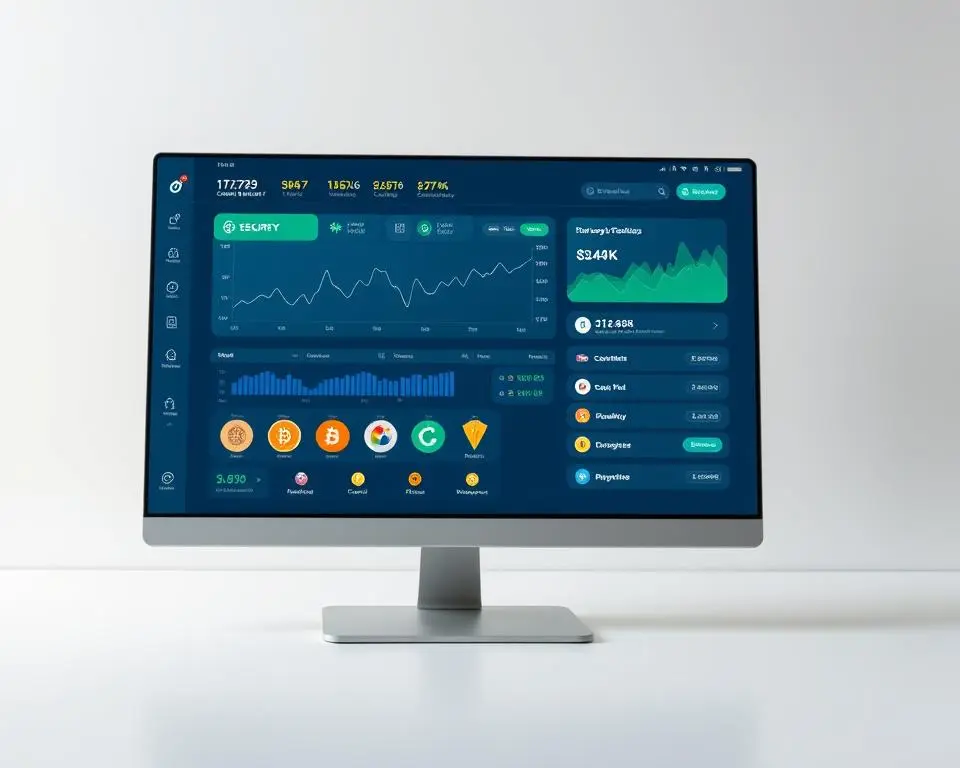
When looking for the best crypto wallet, software options are top picks. They come in many forms, like desktop apps, mobile apps, and browser extensions. Each meets different user needs and likes.
Desktop software wallets offer strong security and full control over your private keys. They’re great for those who trade a lot or manage big crypto portfolios. Mobile wallet apps let you access your digital assets anytime, perfect for daily use and quick checks.
“Software wallets combine convenience with reasonable security measures, making them a popular choice for both beginners and experienced crypto users.”
Browser extensions like MetaMask are popular for their easy use with decentralized applications (dApps). They let users interact with blockchain-based platforms right from their web browsers.
| Software Wallet Type | Convenience | Security Level | Best For |
|---|---|---|---|
| Desktop | High | Very Good | Active traders, large portfolios |
| Mobile | Very High | Good | Daily transactions, on-the-go users |
| Browser Extension | High | Good | DApp users, Web3 enthusiasts |
Even though software wallets are convenient, you must stay careful about security. Use strong passwords, turn on two-factor authentication, and keep your software up to date. These steps help protect your crypto assets.
Mobile Crypto Wallet Apps: Managing Assets on the Go
Crypto apps have changed how we handle digital assets. With smartphones becoming common, the best crypto apps let you access your cryptocurrencies anytime. Let’s dive into the world of mobile wallet apps and why they’re key for crypto fans.
Top-Rated Mobile Wallet Applications
Many mobile crypto apps are known for their features and easy-to-use designs. Trust Wallet, Coinbase Wallet, and Exodus are among the favorites. They support many cryptocurrencies and work well with exchanges.
Security Features to Look For
When picking crypto apps, security is crucial. Look for wallets with:
- Biometric authentication (fingerprint or face recognition)
- Two-factor authentication (2FA)
- Seed phrase backup options
- End-to-end encryption
User Experience Considerations
The best crypto apps mix security with a great user experience. Think about:
| Feature | Importance |
|---|---|
| Intuitive interface | Easy navigation and quick access to functions |
| Transaction speed | Fast processing of crypto transfers |
| Multi-currency support | Ability to manage various cryptocurrencies |
| Built-in exchange | Convenient trading without leaving the app |
Choosing a mobile wallet that shines in these areas means a smooth experience managing your digital assets anywhere.
Desktop Wallets: Full Control Over Your Cryptocurrencies
Desktop wallets give you full control over your digital assets. They run on your computer. This means you have direct access to your funds without needing third-party servers.
For those looking for the best wallet for crypto, desktop options are great. They have strong security features. Your private keys are stored locally, which lowers the risk of online attacks.
Popular desktop wallets include:
- Exodus: User-friendly interface with built-in exchange features
- Electrum: Lightweight Bitcoin wallet with advanced security options
- Atomic Wallet: Supports a wide range of cryptocurrencies
When picking a desktop wallet, think about what it supports, backup options, and updates. Keeping your wallet updated is key for security and new features.
| Wallet | Supported Coins | Unique Features |
|---|---|---|
| Exodus | 100+ | Built-in exchange, portfolio tracking |
| Electrum | Bitcoin only | Cold storage, multisig support |
| Atomic Wallet | 300+ | Staking, atomic swaps |
Desktop wallets are secure, but they’re not risk-free. Make sure your computer is clean from malware. Always back up your wallet data to avoid losing your funds.
Web-Based Wallets and Exchange Wallets: Pros and Cons
Web-based and exchange wallets are great for crypto traders. They let users access their funds from any device with internet. Many see them as the best place to buy crypto because they’re easy to use.
Popular Exchange Platforms
Many exchanges offer wallet services. Coinbase is a top pick for beginners with its easy interface and good coinbase prices. Binance and Kraken are also popular, each offering unique features and a wide range of supported cryptocurrencies.
| Exchange | Key Features | Supported Coins |
|---|---|---|
| Coinbase | User-friendly, Insurance | 50+ |
| Binance | Low fees, Wide selection | 350+ |
| Kraken | Strong security, Advanced trading | 120+ |
Risk Factors to Consider
Web-based wallets have risks. Hacks and security breaches can result in lost funds. Since users don’t control their private keys, they must trust the platform with their assets.
Security Best Practices
To keep your assets safe in web-based wallets, follow these tips:
- Enable two-factor authentication
- Use a strong, unique password
- Avoid keeping large amounts in exchange wallets
- Regularly monitor your account for suspicious activity
Understanding the pros and cons of web-based wallets helps you make smart choices. Remember, the best place to buy crypto might not always be the safest for long-term storage.
Multi-Currency vs. Single Currency Crypto Wallet Options
When you buy cryptocurrency, picking the right wallet is key. You must decide between multi-currency and single currency wallets. Each has its own benefits, meeting different investor needs.
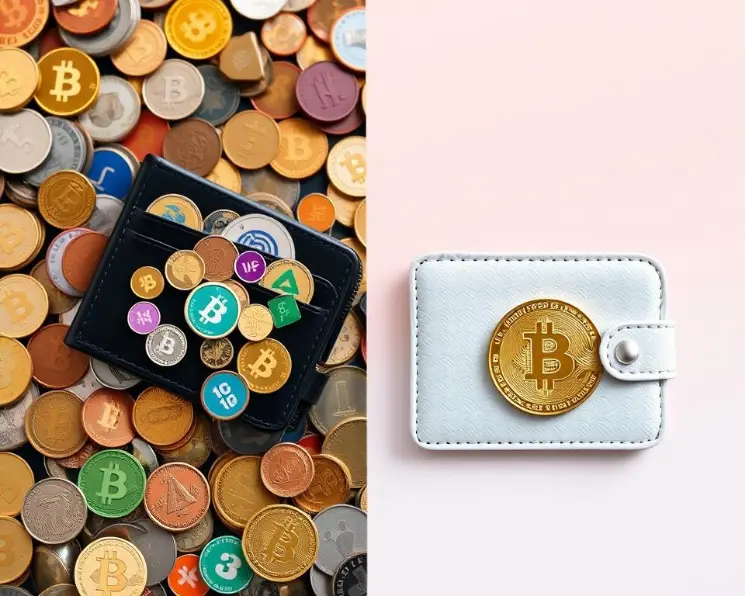
Multi-currency wallets let you store many cryptocurrencies in one spot. This is great for those with diverse portfolios. You can handle Bitcoin, Ethereum, and more from one place. It’s best for traders who often switch coins.
Single currency wallets, on the other hand, focus on one cryptocurrency. They offer more features and security for that coin. For example, Bitcoin-only wallets might have special features for Bitcoin transactions.
| Feature | Multi-Currency Wallet | Single Currency Wallet |
|---|---|---|
| Supported Coins | Multiple | One |
| User Interface | Complex | Simple |
| Security | Good | Excellent |
| Coin-specific Features | Limited | Extensive |
Your choice depends on your investment plan. If you’re all in on one cryptocurrency, a single currency wallet might be better. For those with a mix of coins, a multi-currency wallet is simpler. Think about what you need to choose the right wallet for your crypto journey.
Security Features That Make a Great Crypto Wallet
When you’re looking to buy crypto, the security of your wallet is key. A great wallet protects your digital assets well. Let’s look at the main security features that make a wallet stand out.
Two-Factor Authentication
Two-factor authentication (2FA) adds extra security to your wallet. It asks for a second verification, like a fingerprint or a code, along with your password. Top crypto wallets now include 2FA, making it tough for hackers to get in.
Backup and Recovery Options
Good backup and recovery options are vital for any wallet. They help you get back into your wallet if you lose your device or forget your password. Most secure wallets give you a recovery phrase to keep safe. Some also offer cloud backups, but be careful with online storage.
Multi-Signature Support
Multi-signature (multisig) support is a top-notch security feature in some wallets. It needs more than one approval for a transaction. This is great for businesses or anyone needing extra security for their digital assets.
| Security Feature | Benefit | Availability |
|---|---|---|
| Two-Factor Authentication | Prevents unauthorized access | Most modern crypto wallets |
| Backup and Recovery | Ensures access to funds if device is lost | All reputable wallets |
| Multi-Signature Support | Adds extra layer of transaction security | Some advanced wallets |
Choosing a wallet with these security features keeps your digital assets safe. This way, you can enjoy the benefits of investing in cryptocurrency without worry.
How to Choose the Right Wallet for Your Needs
Choosing the right crypto wallet is key to keeping your digital assets safe. We’ll look at important factors to consider. These will help you pick a wallet that fits your investment goals and security needs.
Assessing Your Investment Strategy
Your investment strategy is crucial in picking the right wallet. If you’re investing for the long term, a hardware wallet is a good choice. It offers top security. On the other hand, if you trade often, a software wallet might be better. It gives you quick access to your funds.
Evaluating Security Requirements
Security is a top priority when choosing a wallet. Look for features like two-factor authentication and multi-signature support. Also, consider backup options. Hardware wallets are great for keeping large amounts safe. Software wallets offer a good balance of convenience and security.
Considering Usage Frequency
How often you use your crypto wallet matters. If you trade a lot, a mobile or desktop wallet might be best. They’re easy to use. But, if you only access your crypto now and then, a hardware wallet could be better. It’s designed for long-term storage.
| Wallet Type | Security Level | Convenience | Best For |
|---|---|---|---|
| Hardware | High | Low | Long-term storage |
| Software | Medium | High | Active trading |
| Mobile | Medium | Very High | On-the-go transactions |
| Web-based | Low | High | Beginners |
By considering these factors, you can find a crypto wallet that meets your needs. It will help keep your digital assets safe.
Setting Up Your First Crypto Wallet: Step-by-Step Guide
Are you ready to explore the world of cryptocurrencies? Setting up your first crypto wallet is an exciting step. First, choose the best place to buy crypto that fits your needs. Many crypto apps have built-in wallets, making it easy to start.
For a hardware wallet, unbox it and follow the instructions. Create a strong PIN and write down your recovery phrase somewhere safe. Never share this phrase with anyone. If you’re using a software wallet, download the app from an official source and set a secure password.
After setting up your wallet, it’s time to add funds. You can buy crypto directly through some wallets or transfer from an exchange. Always double-check addresses before sending any crypto. Keep your wallet software updated and back up your information regularly for extra security.
As you get more comfortable with your crypto wallet, explore its features. Many wallets offer tools for tracking your portfolio, swapping between cryptocurrencies, and even earning interest on your holdings. With your new wallet, you’re ready to join the exciting world of digital assets!
FAQ
What is a cryptocurrency wallet?
A cryptocurrency wallet is a digital tool for storing, sending, and receiving digital currencies. It doesn’t store your coins. Instead, it holds the private keys that unlock your cryptocurrency on the blockchain.
Are hardware wallets more secure than software wallets?
Yes, generally. Hardware wallets keep your private keys offline, making them safer from online threats. But, software wallets can also be secure if you use strong security measures.
Can I store different types of cryptocurrencies in one wallet?
It depends on the wallet. Some, called multi-currency wallets, support many cryptocurrencies. Others, single-currency wallets, only support one. Always check before choosing.
What’s the difference between hot and cold wallets?
Hot wallets are online and easy for frequent use. Cold wallets, like hardware wallets, are offline and more secure but less convenient.
How important is two-factor authentication for a crypto wallet?
Two-factor authentication (2FA) is very important. It adds extra protection beyond a password, greatly reducing unauthorized access risks.
What should I do if I lose my wallet’s private key?
Losing your private key can mean losing your funds forever. Keep a secure backup of your private key or recovery phrase. Many wallets offer backup and recovery options.
Are exchange wallets safe for long-term storage?
Exchange wallets are convenient but not safe for long-term storage. They can be hacked, and you don’t control your private keys. Use a hardware wallet or non-custodial software wallet for long-term storage.
What’s the best crypto wallet for beginners?
Beginners should use user-friendly software or mobile wallets like Exodus, Coinbase Wallet, or Trust Wallet. They’re easy to use and secure. As you get more experienced, consider a hardware wallet for extra security.
How often should I update my crypto wallet?
Update your wallet whenever the provider releases a new version. These updates include security patches and new features. Most wallets will notify you when an update is ready.
Can I access my crypto wallet from multiple devices?
Yes, many wallets let you access your funds from different devices. But, be careful and use secure devices and networks. Some wallets use a seed phrase for access on various devices.