Did you know over $3 billion worth of cryptocurrency was stolen in 2022? This shows how important it is to have a secure crypto wallet. As digital assets become more popular, keeping your investments safe is key.
Cryptocurrency wallets are your entry into the digital asset world. They hold the keys to access and manage your crypto. But, not all wallets are the same. The right one for you depends on your needs and how secure you want it to be.
In this guide, we’ll look at the different types of crypto wallets. We’ll discuss their features, good points, and bad points. This will help you choose wisely. Whether you’re experienced or new to cryptocurrencies, knowing how to store your digital assets safely is essential.
Let’s explore the world of cryptocurrency wallets. We’ll find the best ways to keep your digital wealth safe and easy to get to.
Understanding Cryptocurrency Wallets: A Beginner’s Guide
Crypto wallets are key for anyone starting with digital assets. They help manage and keep your cryptocurrencies safe. Let’s explore how these tools work and why picking the right one is important.
What is a Cryptocurrency Wallet?
A cryptocurrency wallet is a digital tool that stores your crypto keys. It doesn’t hold your coins but connects to the blockchain. The best wallet balances security and simplicity.
How Digital Asset Storage Works
Digital asset storage uses blockchain technology. Your apps don’t store coins but the keys to access them. This keeps your cryptocurrencies safe and only accessible to you.
Private Keys and Public Addresses Explained
Private keys are like your crypto vault’s password. They must stay secret. Public addresses are like your account number, for receiving funds. The best wallet helps manage both, keeping your assets safe and transactions easy.
“Your private key is the lifeline to your crypto assets. Guard it with your life.”
Understanding these basics is key for safe crypto navigation. As you try different apps, remember these principles to wisely manage your digital wealth.
Types of Crypto Wallet Solutions Available Today
Cryptocurrency wallets come in many forms, each with its own features for storing digital assets. Let’s look at the main types of wallets available to crypto fans.
Hardware Wallets: Maximum Security Option
Hardware wallets are physical devices that keep your crypto safe offline. They are the top choice for long-term holders. Brands like Ledger and Trezor are leaders in this field, offering a secure place for your digital assets.
Software Wallets: Desktop and Mobile Solutions
Software wallets are apps you install on your computer or phone. They’re easy to use for daily transactions. Popular choices include Exodus for desktops and Trust Wallet for mobile devices.
Web-Based Wallets: Convenience vs. Risk
Web wallets are accessed through your browser, making them very convenient. They’re good for quick trades but have higher security risks. MetaMask is an example, acting as a bridge between your browser and blockchain networks.
Paper Wallets: The Analog Alternative
Paper wallets are physical documents with your public and private keys. They’re safe from hacking but can get damaged. They’re not the best for daily use but can be a good backup.
| Wallet Type | Security Level | Convenience | Best For |
|---|---|---|---|
| Hardware | Very High | Low | Long-term storage |
| Software | High | Medium | Regular transactions |
| Web-Based | Medium | High | Quick trades |
| Paper | High (if stored properly) | Very Low | Backup storage |
Choosing the right cryptocurrency wallet depends on your needs and how you use it. Think about security, convenience, and the cryptocurrencies it supports when deciding.
Best Crypto Apps for Digital Asset Management
Crypto apps have changed how we manage digital assets. They make it simple to buy, sell, and store cryptocurrencies. Let’s look at some top crypto apps today.
Coinbase is great for beginners. It’s easy to use and track your portfolio. Binance, on the other hand, offers more advanced features and a wide range of cryptocurrencies.
Trust Wallet is perfect for those who value security. It’s a safe place to store different digital assets. Exodus is also popular for its sleek design and built-in exchange.
| App Name | Key Features | User Level |
|---|---|---|
| Coinbase | Easy to use, educational resources | Beginner |
| Binance | Wide range of cryptocurrencies, advanced trading | Intermediate to Advanced |
| Trust Wallet | High security, supports multiple assets | All levels |
| Exodus | Sleek design, built-in exchange | Beginner to Intermediate |
When picking a crypto app, think about your experience and needs. Some apps are simple, while others have advanced features. The right app for you depends on your goals and comfort with crypto.
How to Choose the Right Crypto Wallet for Your Needs
Finding the right crypto wallet can be challenging. With many choices, knowing what to look for is key. Let’s dive into important factors for picking the best crypto wallet for your digital assets.
Security Features to Look For
Security should be your main concern when picking a crypto wallet. Look for features like two-factor authentication, multi-signature support, and regular security checks. Hardware wallets are often the most secure for long-term storage.
User Interface and Experience
A wallet’s user interface is crucial for easy management of your crypto assets. The best wallets have simple designs and easy navigation. Also, consider wallets with mobile apps for quick access to your funds.
Supported Cryptocurrencies
Make sure the wallet supports the cryptocurrencies you own or want to invest in. Some wallets focus on specific coins, while others support many digital assets.
Cost Considerations
While many software wallets are free, hardware wallets cost more. Think about transaction fees and any extra costs when using the wallet.
| Wallet Type | Security Level | Ease of Use | Cost |
|---|---|---|---|
| Hardware | High | Medium | $50-$200 |
| Software | Medium | High | Free-$10 |
| Web-based | Low | High | Free |
By considering these factors, you can find the best crypto wallet for your needs. It will keep your digital assets safe and secure.
Essential Security Measures for Your Crypto Wallet
Keeping your crypto wallet safe is key in the digital world. A secure wallet guards your investments from threats and unauthorized access. Let’s look at some important steps to keep your wallet safe.
Two-factor authentication (2FA) is a must for any crypto wallet. It adds a second layer of security. This could be a fingerprint or a code sent to your phone. It makes it tough for hackers to get to your money.
Creating a strong, unique password is also vital. Don’t use common phrases or personal info. Choose a mix of letters, numbers, and special characters. Never use the same password for different accounts.
Protecting your private keys is crucial. These codes unlock your crypto assets. Keep them offline in a safe place, like a hardware wallet or a safety deposit box. Never share your private keys with anyone.
| Security Measure | Importance | Implementation |
|---|---|---|
| Two-Factor Authentication | High | Enable in wallet settings |
| Strong Password | Critical | Use password manager |
| Private Key Protection | Vital | Store offline securely |
It’s important to update your crypto wallet software regularly. These updates often fix security issues. Be careful when using public Wi-Fi, as it’s a risk for hackers. Use a VPN for extra protection when accessing your wallet online.
Popular Cryptocurrency Wallet Providers Compared
Choosing the best crypto wallet can be tough. Let’s look at some top providers to help you decide.
Ledger vs Trezor: Hardware Solutions
Ledger and Trezor are top in hardware wallets. Ledger has a sleek design and supports more coins. Trezor has open-source software for more transparency.
| Feature | Ledger | Trezor |
|---|---|---|
| Supported Coins | 1500+ | 1000+ |
| Price Range | $59 – $149 | $69 – $199 |
| Software | Proprietary | Open-source |
MetaMask vs Trust Wallet: Software Options
MetaMask is great for Ethereum transactions. Trust Wallet supports more cryptocurrencies. Both are easy to use for managing digital assets.
Coinbase Wallet vs Blockchain.com: Exchange Wallets
Coinbase Wallet works well with Coinbase exchange. It makes trades and transfers easy. Blockchain.com offers a non-custodial wallet with good coinbase prices.
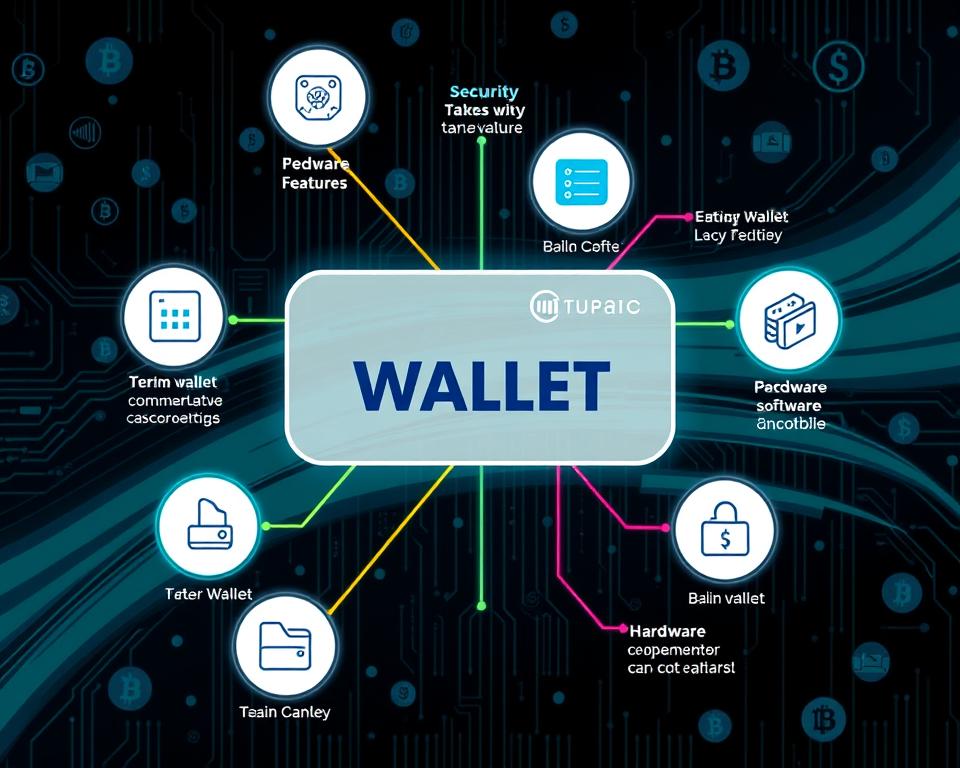
When picking a wallet, think about security, supported coins, and ease of use. The right wallet for you depends on your needs and how you trade.
Setting Up Your First Crypto Wallet: Step-by-Step
Ready to buy cryptocurrency? Setting up a crypto wallet is the first step. This guide will walk you through the process, making it easy to start your crypto journey.
Choose a wallet type that suits your needs. Hardware wallets offer top security, while software wallets provide convenience. For beginners, a mobile wallet might be the best way to buy crypto and store it safely.
Download your chosen wallet app from the official website or app store. Be cautious of fake apps that could compromise your funds. Once installed, open the app and follow the setup instructions.
- Create a new wallet or import an existing one
- Set a strong password for app access
- Write down your recovery phrase and store it securely
- Enable additional security features like two-factor authentication
After setup, you’re ready to receive crypto. Find your wallet address – a long string of letters and numbers. Use this to receive funds when you buy cryptocurrency.
Remember, your recovery phrase is crucial. Without it, you can’t access your funds if you lose your device. Keep it offline and in a safe place.
Never share your recovery phrase or private keys with anyone. Legitimate companies will never ask for this information.
With your wallet set up, you’re now prepared to explore the world of digital assets. Start small, learn as you go, and always prioritize security when managing your crypto investments.
Common Crypto Wallet Security Threats and How to Avoid Them
Keeping your digital assets safe is crucial when using a secure crypto wallet. Let’s explore some common threats and ways to protect yourself.
Phishing Attacks
Phishing attacks trick users into revealing sensitive information. Scammers often create fake websites or send emails impersonating legitimate crypto wallet providers. To stay safe, always double-check website URLs and never click on suspicious links. Use bookmarks for your crypto wallet’s official site.
Malware Risks
Malware can infect your device and compromise your crypto wallet. Install reputable antivirus software and keep it updated. Be cautious when downloading files or clicking on pop-ups. For extra security, consider using a dedicated device solely for crypto transactions.
Social Engineering Tactics
Social engineering exploits human psychology to gain access to sensitive information. Be wary of unsolicited phone calls, messages, or emails asking for your crypto wallet details. Legitimate companies won’t ask for your private keys or seed phrases. Keep your recovery information offline and never share it with anyone.
By staying vigilant and following these precautions, you can significantly reduce the risk of falling victim to common crypto wallet security threats. Remember, the safety of your digital assets starts with you.
Best Practices for Crypto Wallet Backup and Recovery
Keeping your cryptocurrency wallet safe is key to protecting your digital assets. Having strong backup and recovery plans means you can get to your money even if there’s a problem. Let’s look at important steps to keep your crypto safe.
Seed Phrase Management
Your seed phrase is the main key to your wallet. Write it down on paper and keep it in a fireproof safe. Never put it online or share it with others. Think about using a metal seed storage for extra safety.
Multiple Backup Strategies
Don’t just use one way to back up your wallet. Mix different methods to keep your crypto safe:
- Create encrypted digital backups on external hard drives
- Use reputable cloud storage services with strong encryption
- Make physical copies of important wallet information
Emergency Access Plans
Plan for trusted people to access your wallet in emergencies. This could be:
- Splitting your seed phrase among trusted family members
- Using multi-signature wallets for shared control
- Leaving detailed instructions with a lawyer or notary
By following these tips, you’ll make your cryptocurrency wallet much safer and easier to get back. Remember, the best wallet is one that’s well-protected and easy to recover, no matter what.
Advanced Features of Modern Crypto Wallet Solutions
Modern crypto apps are changing how we manage digital assets. The best places to buy crypto now offer more than just storing your money. They come with advanced features that make handling your digital wealth easier and safer.
DeFi integration is a big deal in many crypto apps. It lets users access decentralized finance services right from their wallets. You can lend, borrow, or stake your assets without leaving your wallet. It’s like having a full-service bank in your pocket.
Multi-signature support adds extra security to your crypto storage. This feature needs multiple approvals for any transaction. It’s great for businesses or individuals who want to share control of their funds. Many top places to buy crypto now offer this advanced protection.
Cross-chain compatibility is another exciting feature in crypto wallet tech. It lets users manage different cryptocurrencies in one place. This saves time and reduces the risk of using multiple wallets. As the crypto world grows, this ability to bridge different blockchains becomes more valuable.
FAQ
What is a crypto wallet?
A crypto wallet is a digital tool for storing, sending, and receiving cryptocurrencies. It keeps your private keys safe, which are key to accessing your digital assets.
How do I choose the best crypto wallet?
Look at security features, user interface, supported cryptocurrencies, and cost when choosing a wallet. Think about your needs and how much risk you’re willing to take. Decide between hardware, software, or web-based wallets.
Are hardware wallets more secure than software wallets?
Yes, hardware wallets are often safer than software wallets. They keep your private keys offline, making them less vulnerable to online threats. But, software wallets can also be secure if you follow safety tips.
What’s the difference between hot and cold wallets?
Hot wallets are always online, making them easy for quick transactions but riskier. Cold wallets, like hardware wallets, are offline, offering better security but less convenience for daily use.
How do I protect my crypto wallet from hacks?
Use strong passwords and two-factor authentication to secure your wallet. Keep your software up to date and be careful of phishing scams. For extra security, use a hardware wallet for big amounts. Never share your private keys or seed phrase.
What is a seed phrase and why is it important?
A seed phrase is a set of words to recover your wallet if lost. It’s vital to keep it safe offline, as anyone with it can access your funds.
Can I store different cryptocurrencies in one wallet?
Many wallets support various cryptocurrencies, but not all. Check the wallet’s supported coins before choosing to ensure it fits your needs.
What are the best crypto apps for beginners?
Coinbase, Binance, and Trust Wallet are great for beginners. They have easy-to-use interfaces and resources to help new users understand crypto.
How do I backup my crypto wallet?
Store your seed phrase safely offline, like on paper or a metal plate. Use multiple backup locations and consider wallets with cloud storage options for extra security.
What should I do if I lose my crypto wallet?
If you lose your wallet, use your seed phrase to recover it. If you’ve lost both wallet and seed phrase, your funds might be gone forever. This shows how crucial secure backups are.